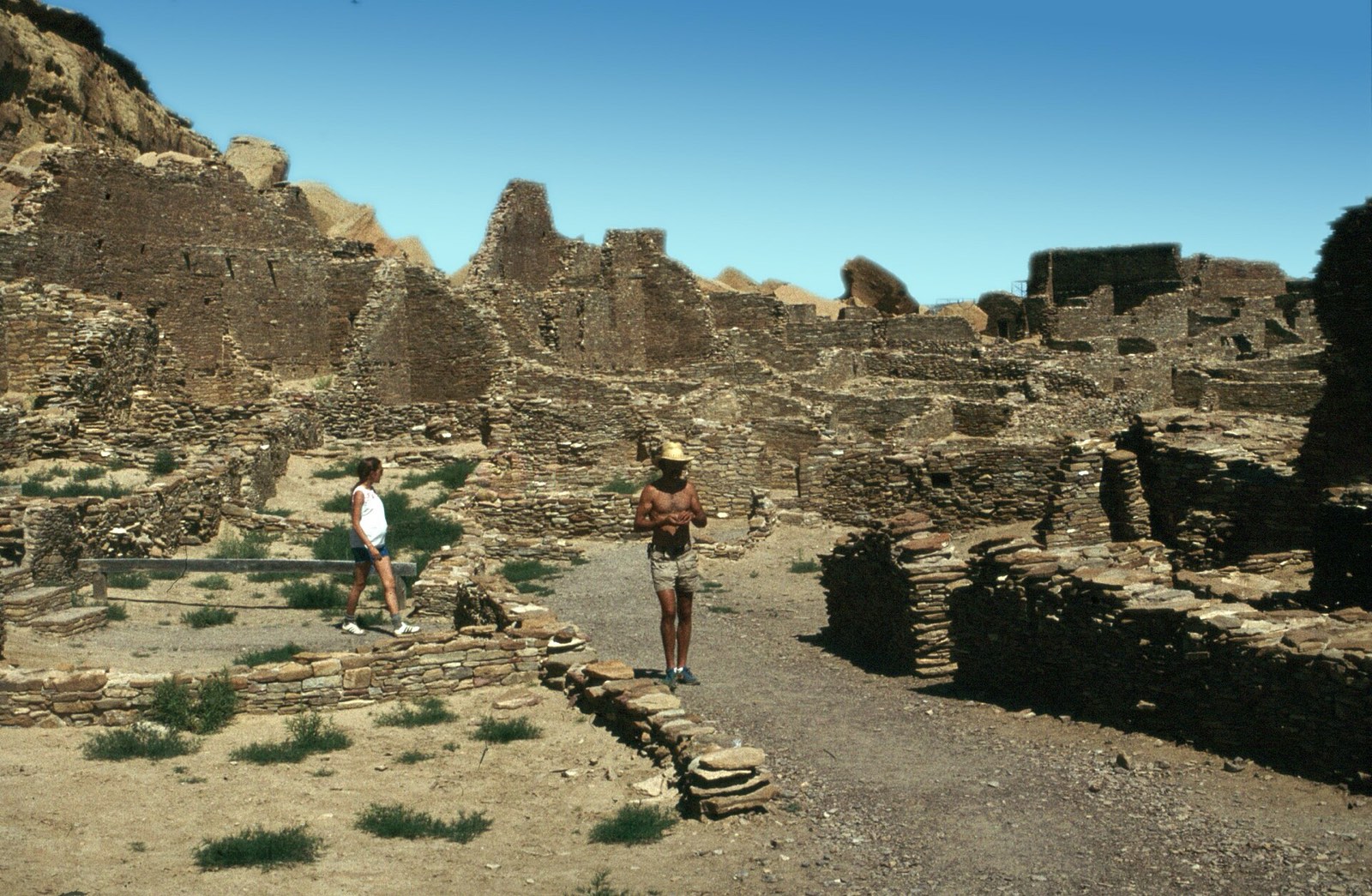
Chaco Canyon is not an easy place to get to. The last stretch of road is washboard dirt, the summers are blistering and the winters bitter, and there's very little water. Which makes it all the more astonishing that, a thousand years ago, this dry canyon in northwest New Mexico was the centre of a society that built multi-storey stone buildings, aligned them to the sun and moon, and connected them with dead-straight roads across the desert.
A name and a people
The people who built Chaco and Mesa Verde are often called the "Anasazi," a word from the Navajo language usually translated as "ancestors of enemies." Many Pueblo people today prefer "Ancestral Puebloans" or the names of their own nations, and so do we. That matters, because these weren't a lost civilisation. Their descendants live in the Hopi villages of Arizona, at Zuni, and in the pueblos along the Rio Grande, and many of them consider places like Chaco to be living ancestral homes, not ruins.
The great houses of Chaco
Between roughly 850 and 1150 CE, the people of Chaco Canyon built a series of massive buildings archaeologists call great houses. The largest, Pueblo Bonito, is a giant D-shape of more than six hundred rooms, rising four or five storeys at the back. The masonry is remarkable: thin slabs of sandstone laid in careful patterns, then plastered over. Builders carried tens of thousands of large timbers from mountain forests dozens of miles away, without wheels or draught animals.
Strangely, many great houses don't seem to have held many permanent residents. Some archaeologists think Chaco was mainly a ceremonial and trading centre, where people from across the region gathered for seasonal events, feasts and rituals, a bit like a pilgrimage city.
Pueblo Bonito was the largest building in what is now the United States until the nineteenth century.
Sun, moon and a dagger of light
The Chacoans were careful sky-watchers. Several great houses are aligned to solar and lunar events. On Fajada Butte, a spiral petroglyph sits behind three slabs of stone. Around the summer solstice, a narrow "dagger" of sunlight slices through the centre of the spiral; at the winter solstice, two daggers frame it. Researchers led by the artist Anna Sofaer documented this "Sun Dagger" in 1977 and later argued it also marks the long lunar cycle.
Roads that go straight
From the air and with remote sensing, archaeologists have traced a network of roads radiating from Chaco. They're up to nine metres wide and remarkably straight, climbing cliffs with carved stairways instead of curving around them. Some connect to distant outlying great houses; some seem to lead nowhere in particular. They may have been as much symbolic as practical, linking communities in a shared ceremonial landscape.
Chocolate in the desert
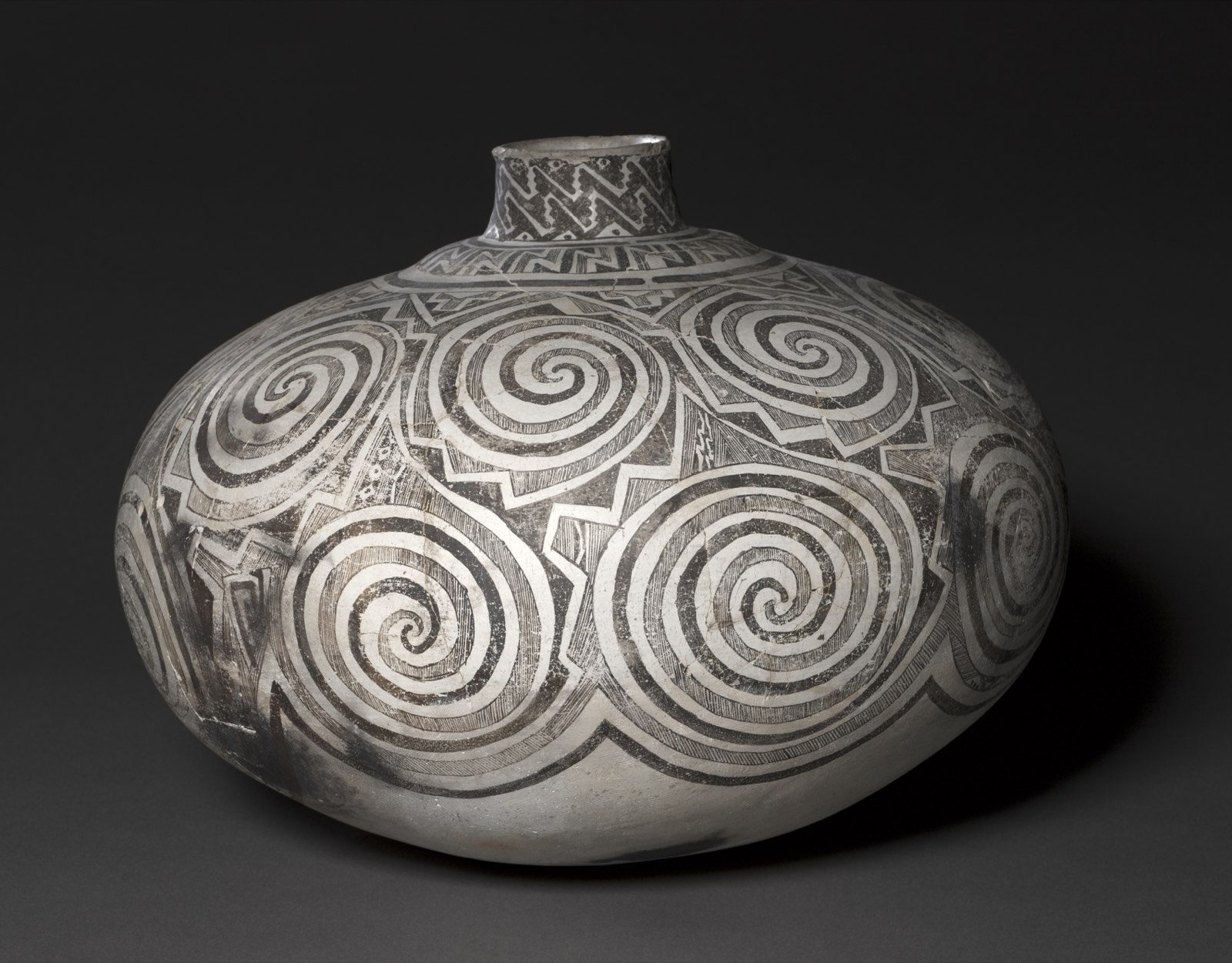
In 2009, chemical tests on fragments of tall cylinder jars from Pueblo Bonito found traces of theobromine, a marker of cacao. The nearest cacao trees grow in Mesoamerica, well over a thousand miles to the south. Chaco's leaders were drinking chocolate, and the find is strong evidence of long-distance trade with the civilisations of Mexico. Turquoise from Chaco, in turn, travelled widely, and macaw feathers from the south have been found there too.
Mesa Verde: villages in the cliffs
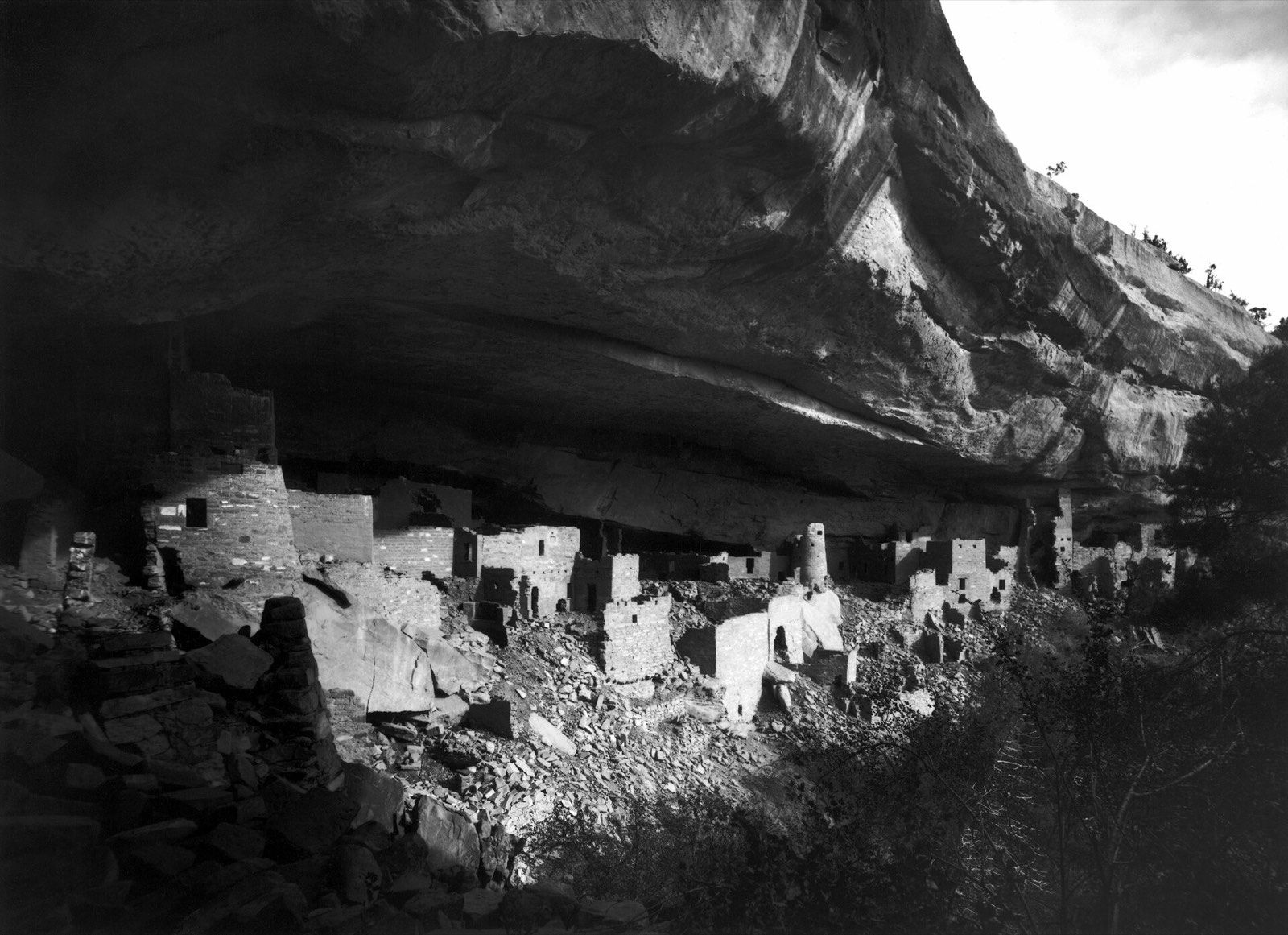
After about 1150, Chaco's influence faded during a long drought, and many people moved. To the north, in what is now southwestern Colorado, communities had long farmed the tops of the mesas. In the late 1100s and 1200s, many of them built homes into the shallow alcoves of the canyon walls. These are the cliff dwellings of Mesa Verde.
The largest, Cliff Palace, has about 150 rooms and more than twenty kivas, round sunken rooms used for ceremonies and community life. Living in the cliffs had advantages (shelter from weather, perhaps defence) and obvious costs: every bit of water, food and firewood had to be carried up and down by ladders and toeholds cut into the rock.
By around 1300, Mesa Verde too was empty. A severe drought struck the region in the late 1200s, and there are signs of social stress and conflict. People migrated south and east, joining and founding the communities that became today's Pueblos.
Respectful visiting
Chaco Culture National Historical Park and Mesa Verde National Park are both World Heritage Sites. Rangers offer guided tours of Cliff Palace and other dwellings in season. Please follow the rules: don't climb on walls, don't touch rock art, and remember that for Pueblo people these are sacred places connected to living traditions.